

Glamping Explained
What Is Glamping?
Glamping is a form of outdoor hospitality that combines direct access to nature with the comfort, privacy and functionality of purpose-designed accommodation.
Definition
What Does Glamping Mean?
The word “glamping” combines “glamorous” and “camping”, but the modern concept is broader than the name suggests. It describes accommodation that keeps guests close to the landscape while removing many of the practical limitations associated with conventional camping.
A glamping stay may include a full-size bed, furnished interior, electricity, heating or cooling, private or nearby bathroom facilities and designed outdoor space. The exact level of comfort varies by property, so a private bathroom or year-round climate control should never be treated as universal features.
Glamping is also not defined by one structure. Safari tents, domes, cabins, pods, yurts, treehouses and other purpose-designed formats can all form part of the wider outdoor hospitality market.
The core idea is simple: the natural setting remains central to the experience, while the accommodation is designed to deliver a substantially higher level of comfort than traditional camping.
International Glamping Federation — definition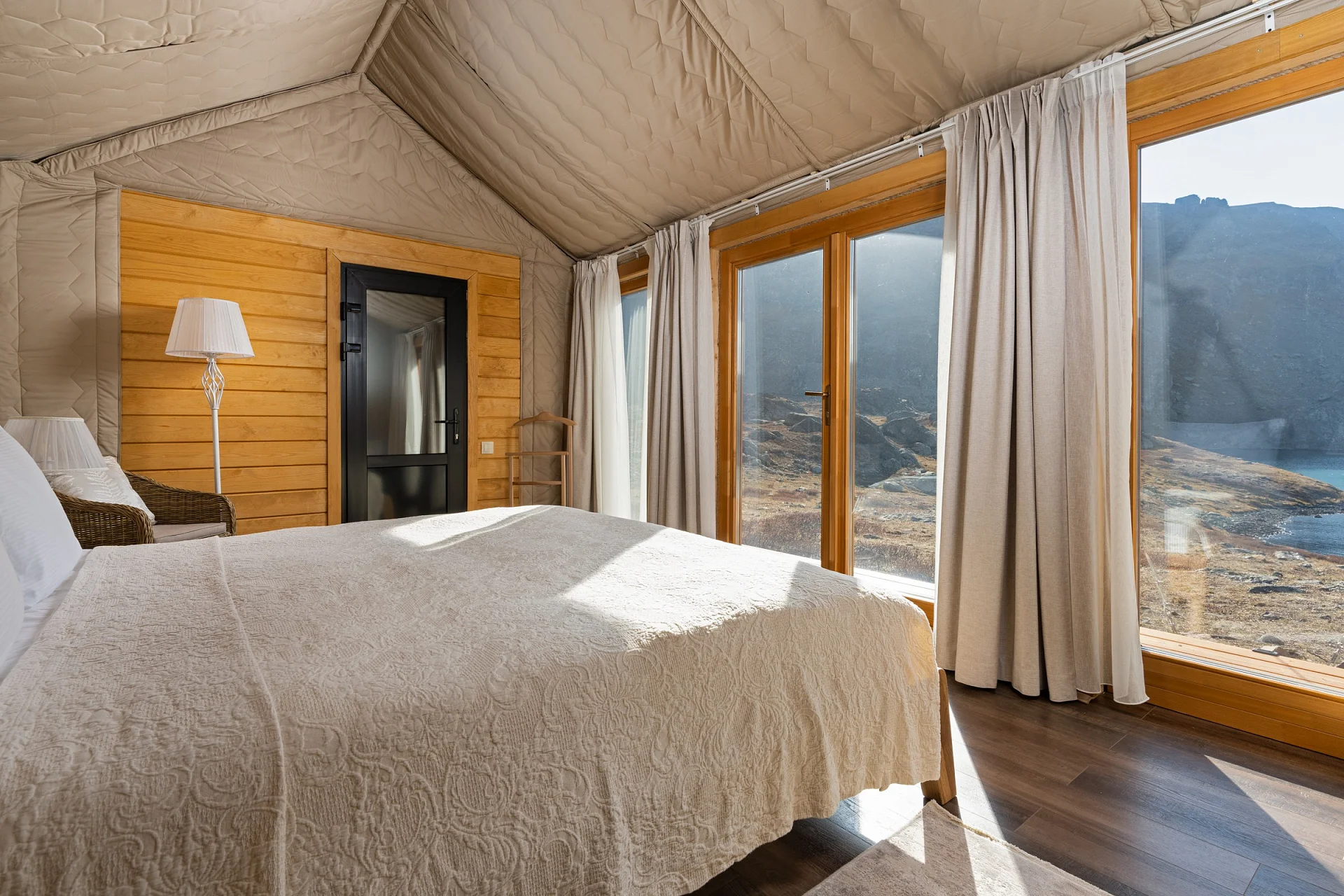
The Practical Difference
Glamping vs Camping
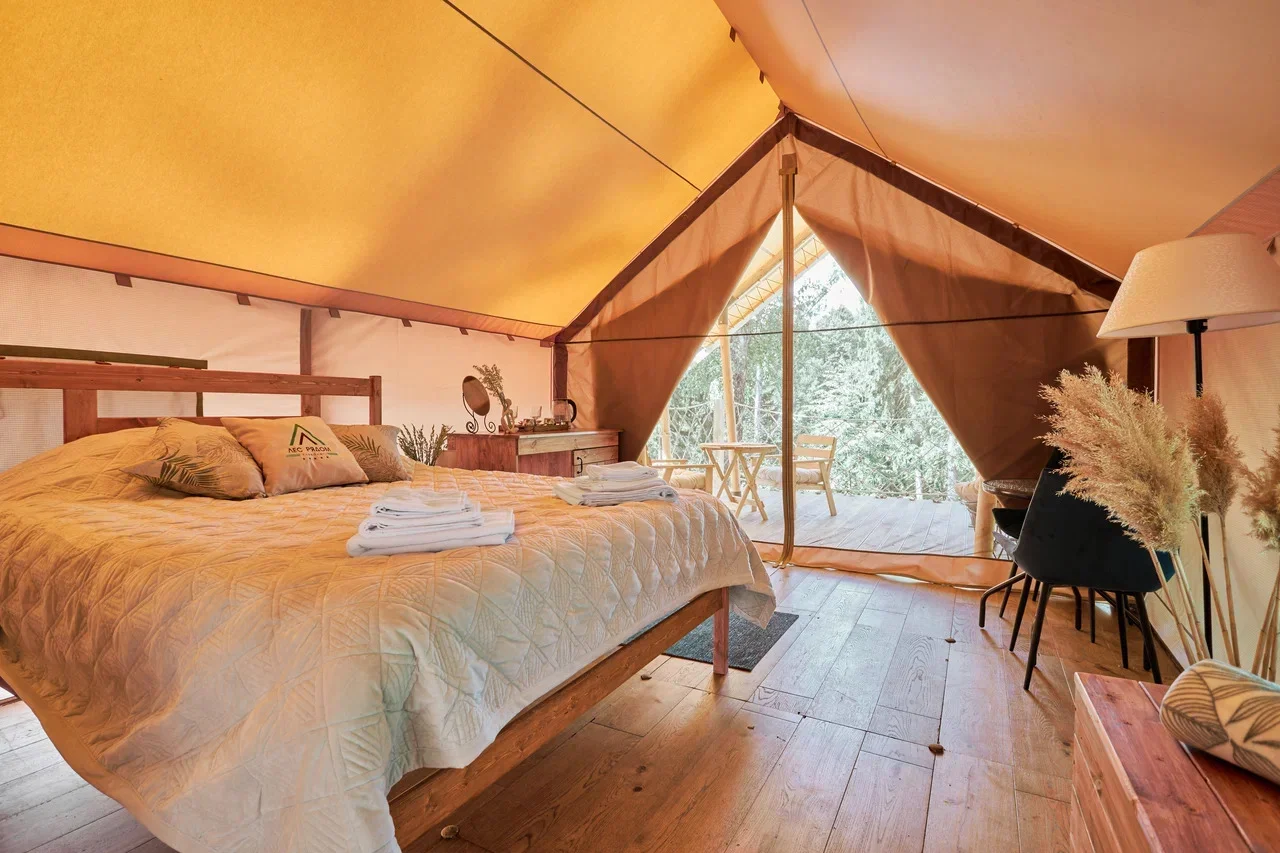
Both place the guest close to nature. The difference is how much infrastructure, comfort and preparation the accommodation provides before the guest arrives.
Accommodation Formats
Types of Glamping Accommodation
There is no single “glamping structure”. The right format depends on the guest profile, climate, site, operating season and commercial positioning of the property.
Safari Tents
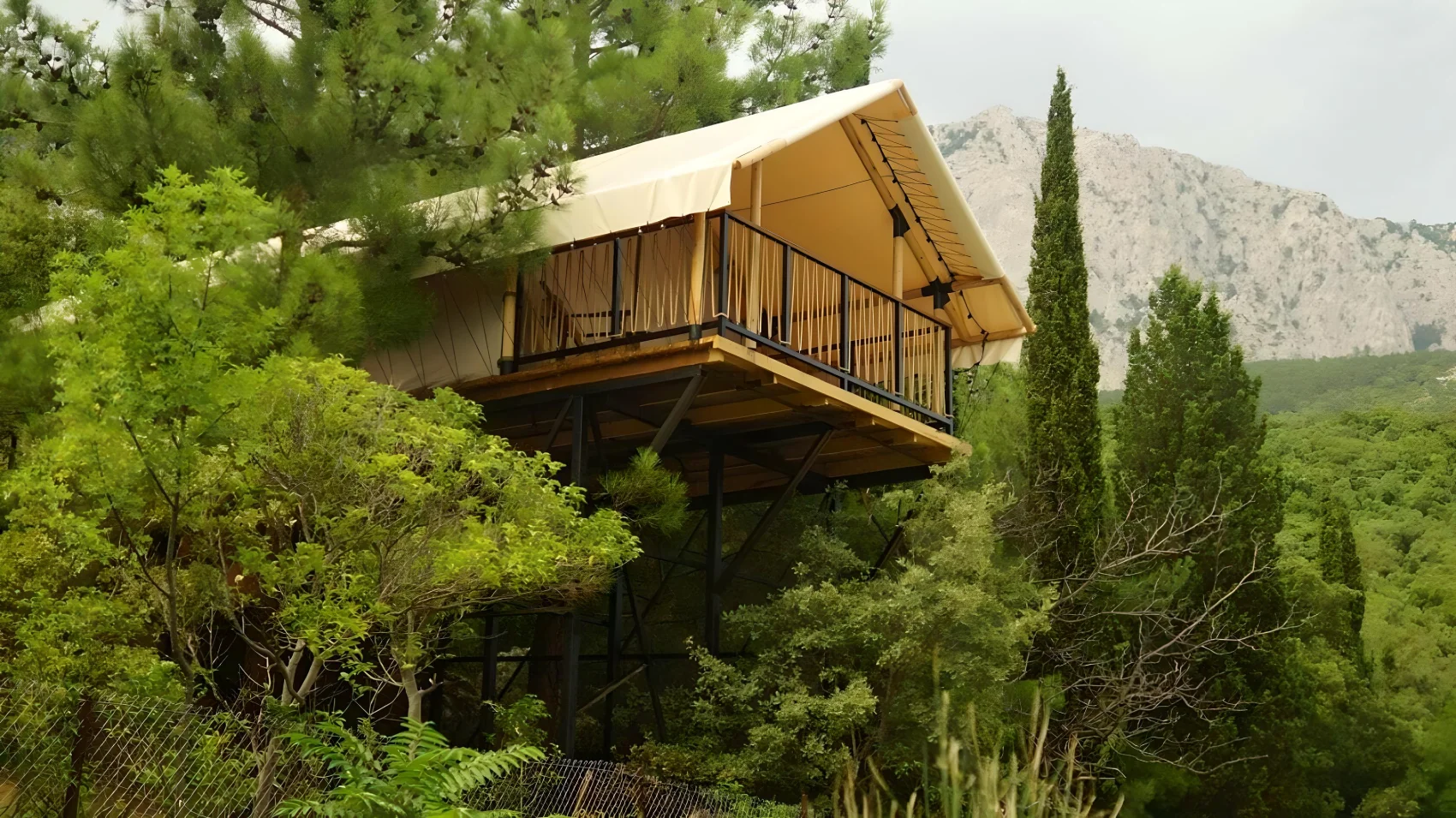
One of the most established tent-based formats, combining a timber or structural frame with technical fabrics and a furnished hospitality interior.

A-Frame Units
Compact architectural formats can create a distinctive guest experience where footprint, visual identity and efficient use of space matter.

Geodesic Domes
Domes use a geodesic structure to create high-volume interiors and panoramic guest spaces for accommodation, hospitality or event applications.
Across the wider market, glamping also includes cabins and pods, yurts, treehouses and other non-traditional lodging types. The commercial decision is not about choosing the most unusual structure; it is about selecting accommodation that fits the site, target guest and operating model.
European Market
Why Glamping Is Growing in Europe
Glamping has moved beyond a niche travel format. Market research points to sustained European growth, supported by demand for distinctive accommodation, access to nature and higher-comfort outdoor stays.
Grand View Research identifies tents as the fastest-growing accommodation segment in its current European outlook. That matters for operators because tent-based accommodation can create a clear nature-led identity while remaining part of a professionally planned hospitality product.
Growth does not make every project viable. Demand, land cost, infrastructure, seasonality, planning permission, room rate and operating discipline still determine whether a specific site makes commercial sense.
Grand View Research — Europe Glamping Market, updated 2026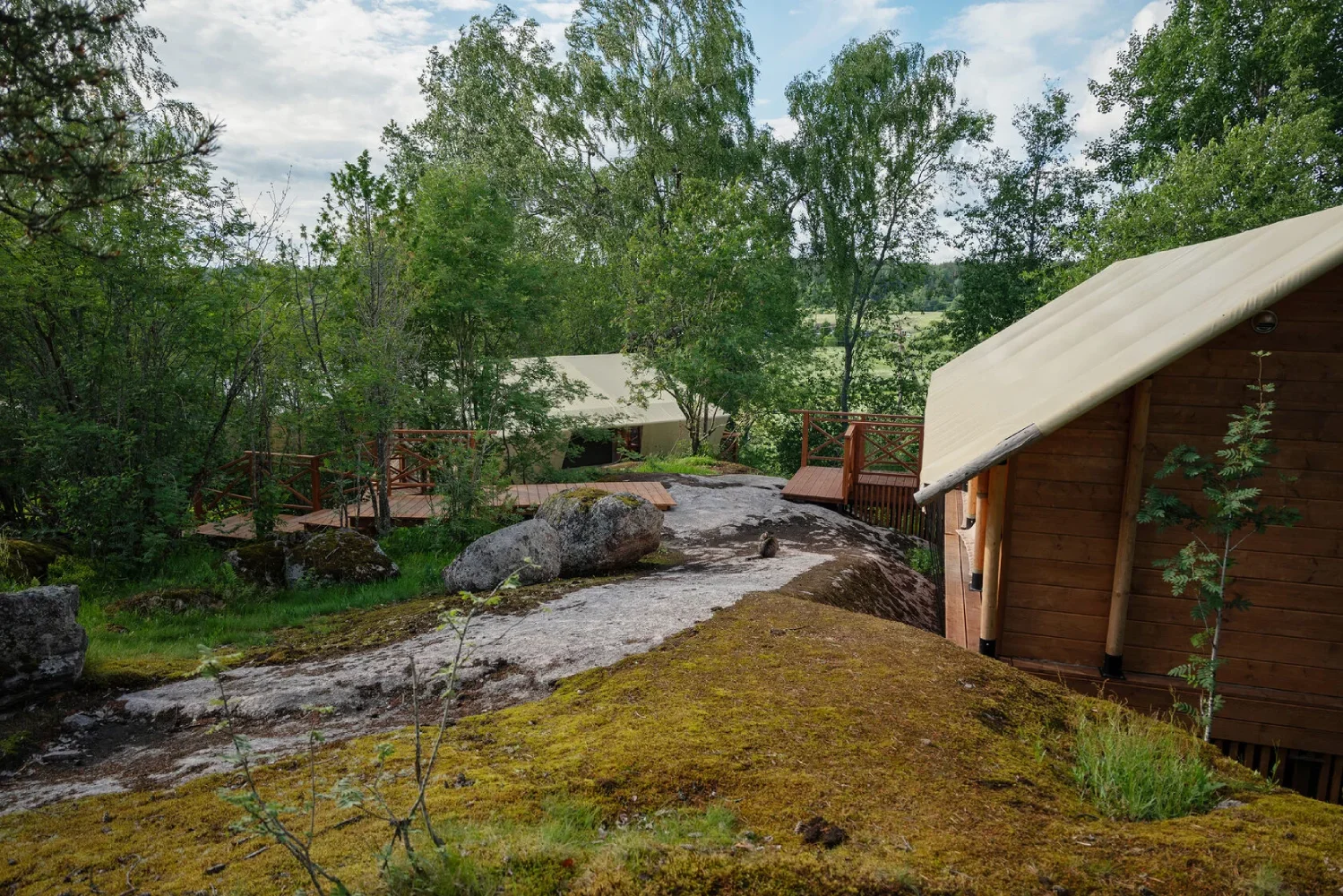
Commercial Reality
Glamping as a Hospitality Business
Glamping can support attractive room rates and scalable inventory, but revenue should never be confused with profit. A commercially sound project starts with realistic assumptions for nightly rate, occupancy, operating nights and unit count, then deducts the full cost of running the property.
The latest Glamping Show Americas operator research provides useful evidence of pricing power in a mature market, while also showing that the cost of entering the sector has risen sharply. These are U.S. benchmarks, not European underwriting assumptions.
Gross Revenue Scenario
Use your own assumptions. This calculates accommodation revenue before operating costs, taxes, commissions, financing and capital expenditure.
Illustrative planning tool only. It is not a forecast, valuation, investment recommendation or estimate of net profit. Local market data and a full operating model are required before an investment decision.
What Actually Drives the Result
A Strong Concept Is More Than a Tent
Demand
The destination needs a credible guest market, not just an attractive view.
ADR
Pricing power depends on location, privacy, design, amenities, positioning and the total guest experience.
Season Length
A longer operating season can materially change annual revenue, but only if demand exists outside peak months.
Infrastructure
Road access, utilities, drainage, bathrooms and common facilities can be a significant part of total project cost.
Distribution
Direct bookings, OTAs, marketing cost and repeat business all affect the economics behind the room rate.
Operations
Housekeeping, staffing, utilities, maintenance and guest service determine the difference between revenue and profit.
Site Context
Where Does Glamping Work Best?
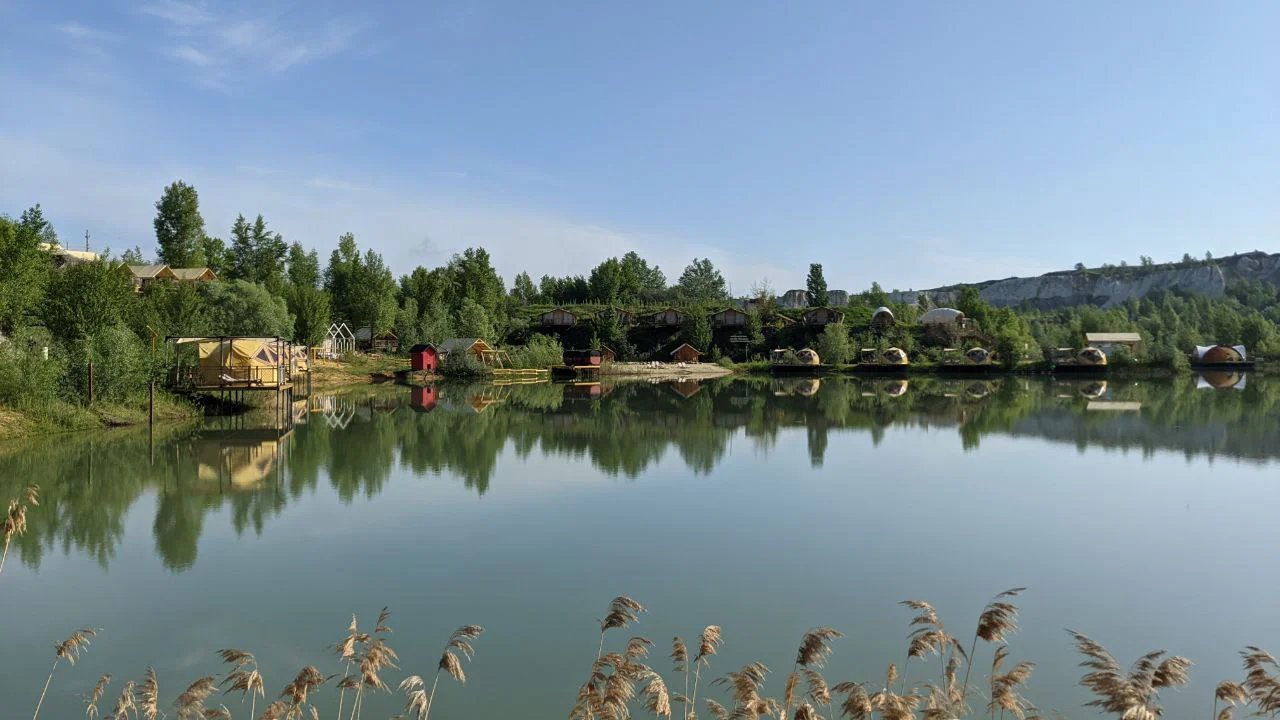
The strongest sites usually offer a reason to stay that exists beyond the accommodation itself: landscape, access to activities, privacy, a distinctive local identity or proximity to an established destination.
Protected landscapes and sensitive sites require particular care. Development feasibility always depends on local planning, environmental and land-use rules.
Seasonality
Can Glamping Operate Year-Round?
Yes, but only when the accommodation, infrastructure and operating plan are specified for the climate. A structure that performs well for summer use should not automatically be assumed to be suitable for exposed mountain conditions or winter operation.
Year-round planning needs to consider thermal performance, heating and cooling, wind and snow loads, moisture control, utility protection, access and the practical cost of operating outside peak season.

Project Logic
From a Site to an Operating Concept
The accommodation is one part of the project. Before selecting models, the site and business case need to establish what the destination can realistically support.
Frequently Asked Questions
Questions About Glamping
What is glamping?
What does glamping mean?
What is the difference between camping and glamping?
Do glamping tents have bathrooms?
Can glamping operate in winter?
Is glamping a profitable business?
How much can a glamping unit earn?
What type of land is suitable for glamping?
From Concept to Project
Planning a Glamping Project?
Start with the site, guest profile and operating model. The accommodation should support the business case — not replace it.
Project Inquiry
Tell Us About the Site
Share the project location, approximate number of units, operating season and current stage. We can then determine what information is needed before model selection or resort planning begins.
For model comparison only, use the Glamping Tents collection. For master planning and development support, use our Glamping Resort Design service.



